
Achievements
Mountains
The mountain climbs celebrated on this page honored the miracle of a new heart and the strength to keep moving forward after transplant. While our nonprofit’s work has evolved, that same spirit lives on through our commitment to hosting and supporting blood drives. We continue to climb and explore the mountains we love; however, they are no longer the public stage for our work.
The mission remains the same: honoring the gift of life by helping save others. Blood donation is a simple act with extraordinary impact, allowing us to give back in a way that is immediate, meaningful, and deeply personal. As part of that ongoing mission, the Foundation is exploring ways to share this journey more broadly through long-form storytelling, so its message can continue to inspire and support the cause.
We are grateful you are here, exploring these extraordinary post-transplant climbs, and we invite you to be part of this ongoing journey, because the heart of this mission has never stopped beating.
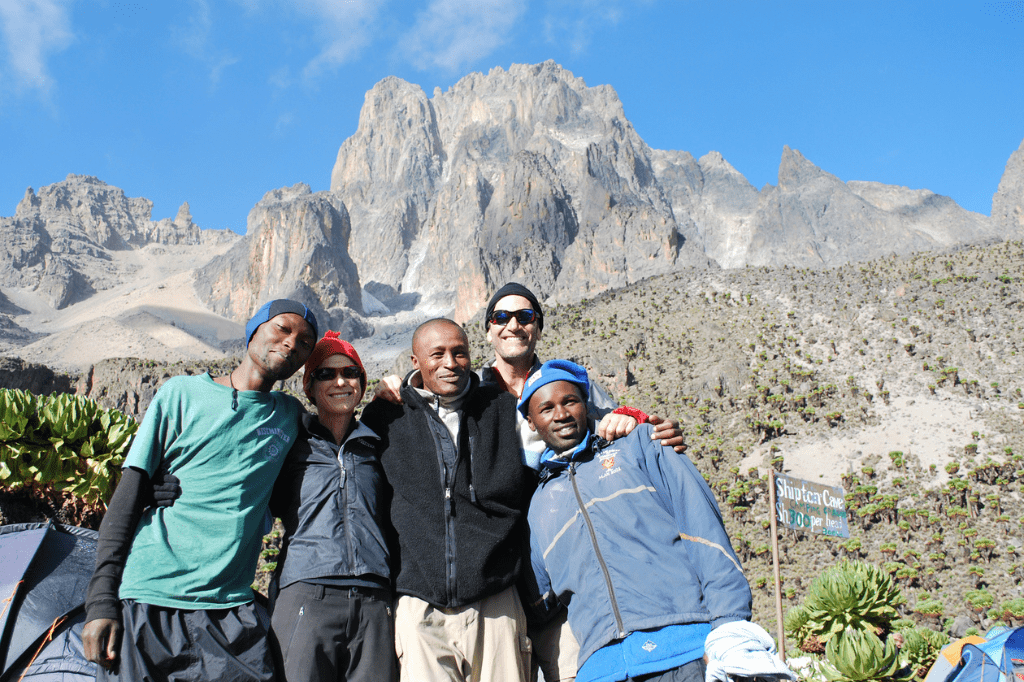
July 2010
Mt. Kenya Africa
In Kelly’s words:
“When I left Africa after climbing Mount Kilimanjaro in 2001, I carried a heavy feeling that I might never return. At the time, the widely cited “life expectancy” for a heart transplant recipient was ten years. While that number was only an average—and there were many reasons I believed I was not defined by average—it still lingered in the back of my mind.
Fast forward to 2010, when the opportunity arose to return to Africa and work with visionary filmmakers alongside our longtime climbing partner and photographer, Michael Brown. It was an immediate and emphatic yes. By then, our climbing skills had evolved beyond Kilimanjaro—which is more of a strenuous high altitude trekking expedition than a technical climb—making Mount Kenya the natural next step.
Being part of the storytelling process was deeply meaningful: watching Michael mentor the next generation of filmmakers and having yet another platform to share the message of the life-changing value of heart transplantation with the world.”
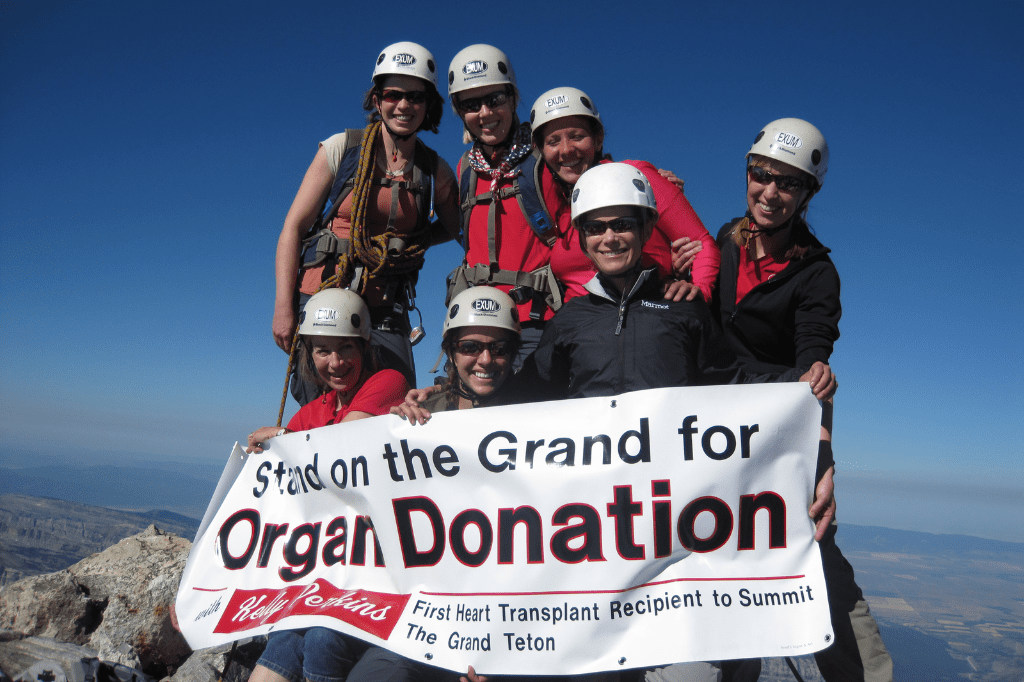
August 2009
Grand Traverse (10 summits), Grand Teton, Moose, Wy, USA
In Kelly’s words:
“Sometimes the climb is not defined by the mountain, but by the team—and this was a perfect example. It takes a special mindset for cardiac nurses to commit to becoming stronger themselves, practicing exactly what they encourage their patients to do every day. Putting yourself in another’s shoes deepens compassion and understanding, qualities these nurses already embodied. Sharing this journey with them made the experience truly special. Together, we climbed the Grand with this special team, then continued on to the surrounding peaks, completing the 10 summits that make up the coveted Grand Traverse—a powerful testament to teamwork, empathy, and shared purpose.”
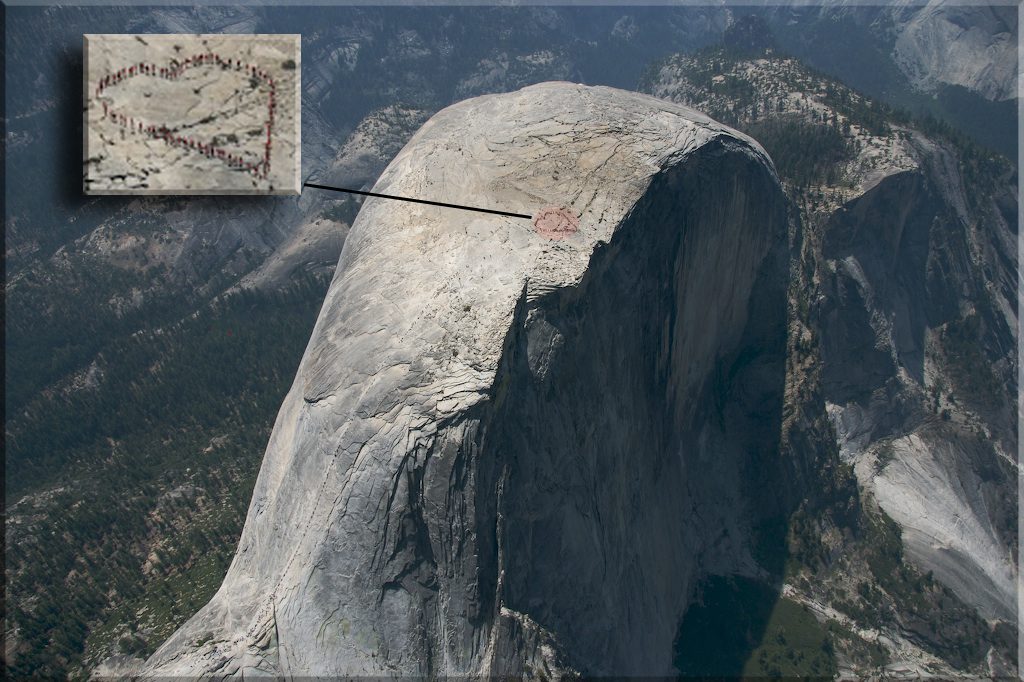
June 2008
Half Dome, Yosemite, Regular Northwest Face
In Kelly’s words:
“I chose to hike Half Dome after my heart transplant because of what it represents to me. Half Dome is a mountain that is quite literally broken in half, yet it still stands strong, iconic, and enduring. That symbolism resonated deeply with my own journey. After my transplant, I felt changed and altered, but not diminished. Like Half Dome, I may be different, but I am still standing. That message was impossible for me to ignore.”
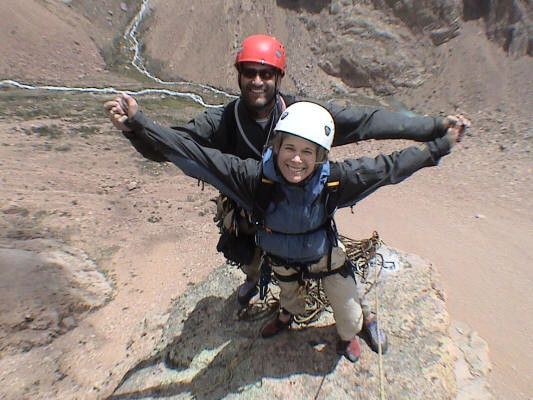
February 2007
Cajon de Arenales, Argentina
In Kelly’s words:
“Traveling to South America was a particularly meaningful trip because we had previously gone to Peru and met with a group of doctors who volunteer their time to help under-resourced hospitals and clinics treat children with heart disease. It was eye-opening to witness the stark contrast between the “haves” and the “have-nots”—visible in the lack of basic modern tools, limited supplies, and challenges around cleanliness and hygiene. It leaves you wondering how healing is even possible under those conditions. The experience reinforced two powerful truths: the importance of helping whenever we can, and the deep gratitude we should have for what we do have.
That experience of supporting all the selfless doctors and nurses sparked our desire to set our own example by leading with an exploring mind, this time setting out to climb a new route in Argentina—mirroring the work of medical professionals who often must treat patients without clear answers or established treatments. We chose an area that had seen very little climbing and ended up identifying and completeinga first ascent, finding our way upward pitch by pitch. It was exploratory and uncertain; the path we thought we would take was not always the one we ended up on. But, like medicine—and life—you adapt, navigate the unknown, and ultimately find your way to the top.”
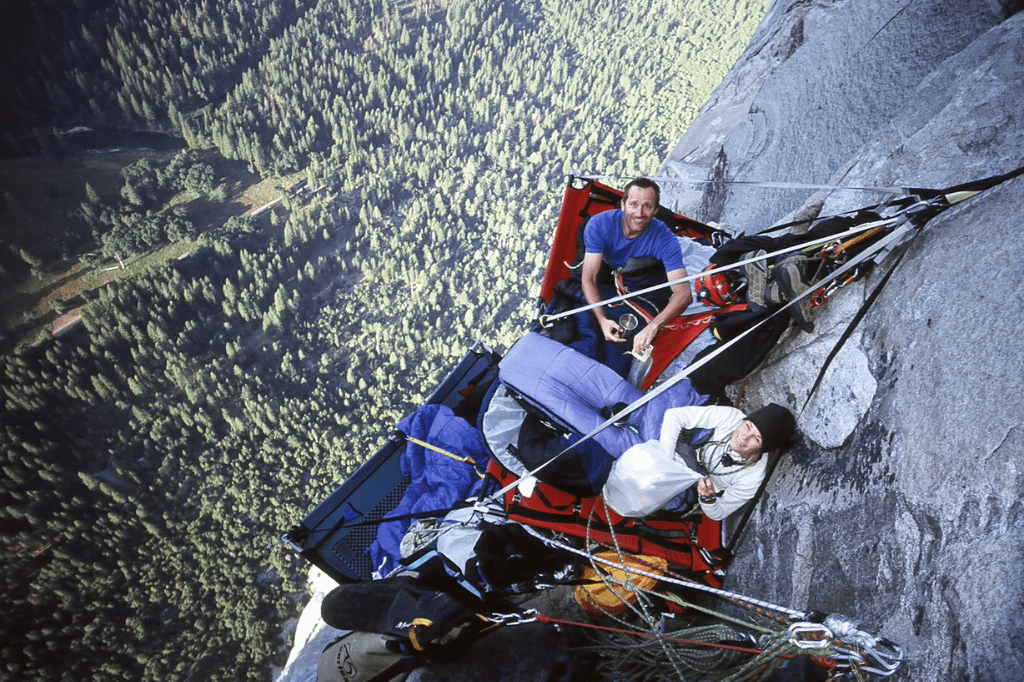
September 2005
Muir Wall, El Capitan, Yosemite, CA
In Kelly’s words:
“El Capitan’s natural heart-shaped cutout felt like a personal call—to find a way to climb straight through the heart. It is a wall that few seasoned climbers ever attempt, given the immense mental and physical demands created by its sheer height and exposure. Focusing on the heart shape—and the goal of climbing through it—shifted my attention away from fear and toward the excitement and meaning of the challenge. Because the heart is so visible, it also kept the mission front and center, ensuring the “why” behind the climb was never lost on the public. To further honor that message, we held a blood drive in Yosemite Valley during the climb, extending the symbolism beyond the wall and into the community.”
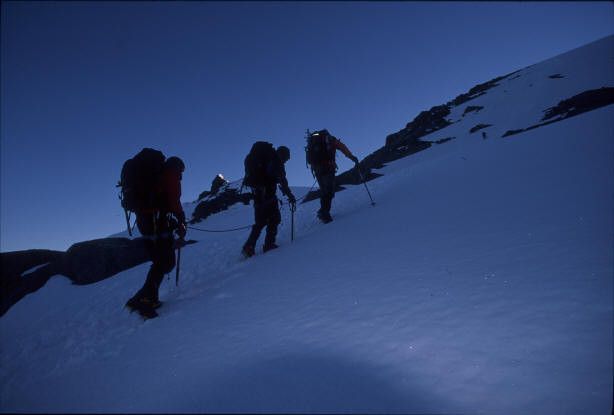
January 2005
Mt. Aspiring National Park , New Zealand
In Kelly’s words:
“This mountain came into our story through a young man in Australia who was waiting for a bone marrow transplant. He reached out to congratulate me on climbing Mount Kilimanjaro—a powerful reminder of how far these stories can travel. He shared a photo of himself on the summit of Mount Aspiring in New Zealand, a climb he had completed to raise awareness for bone marrow transplant research, and suggested we add it to our list.
Tragically, we later learned from his family that he lost his battle with non-Hodgkin’s lymphoma at just 25 years old. When we realized that New Zealand had one of the lowest organ donation rates, we knew we had to go. We climbed in his honor, and in honor of all those still waiting, to help carry the message forward.
While the weather ultimately shut down our summit bid on Mt Aspiring, forcing us to climb some surrounding peaks instead, the disappointment was short lived after learning of several other trekkers who perished in the same week who did not heed the warnings. The adventure served as a reminder of the importance of listening to the experts who you surround yourself with so you can live to see another day.”
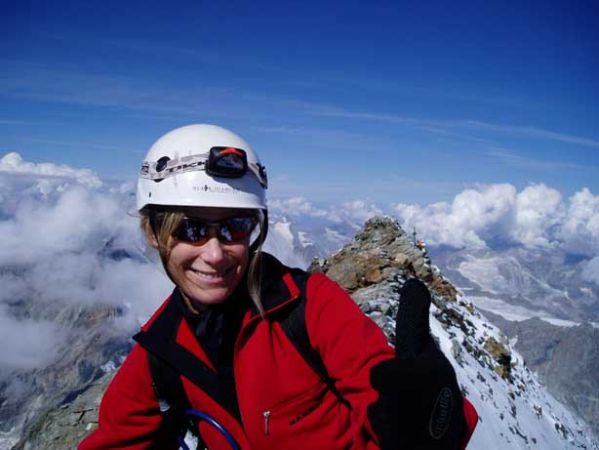
August 2003
Matterhorn, Zermatt – Switzerland
In Kelly’s words:
“The greatest challenge of climbing the Matterhorn after my heart transplant was the pace. It is an extremely physically demanding climb—steep, exposed, and unforgiving in high altitude—with nearly 4,000 feet of rock and ice to the 14, 692 foot summit. It requires full use of classic alpine skills and tools, including ropes, ice axes, and crampons, all within a very short “safe” weather window that demands speed and efficiency. For me, the challenge was amplified by my denervated heart, which offers no margin for hesitation. I feared I might not be able to move fast enough. But I was—and in that realization, I found deep trust in my body and an overwhelming sense of gratitude for my donor and the heart that carried me to the top.”
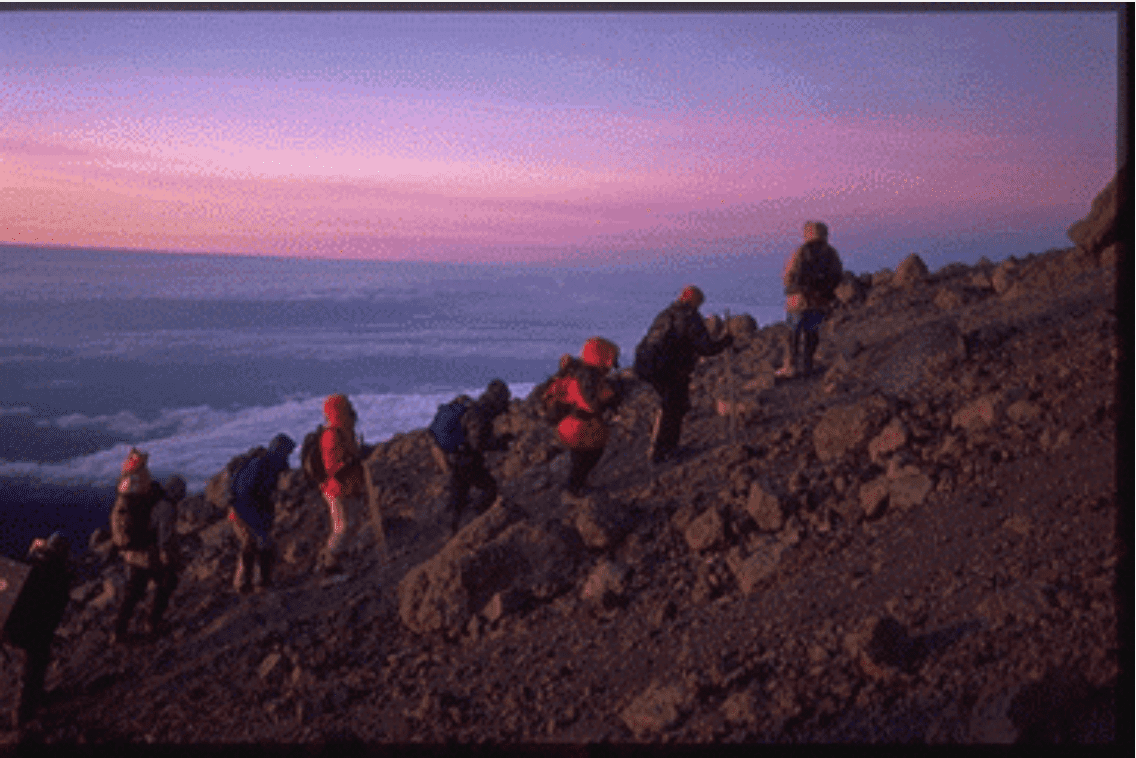
October 2001
Mount Kilimanjaro, Tanzania - Africa
In Kelly’s words:
“I had my first heart transplant in 1995, which now feels like a lifetime ago. When you consider the technology available then compared to today, the progress is astonishing. And if you go back even further—to the very first heart transplant in 1967 in South Africa—the contrast is even more profound. I wanted to return to where it all began and honor that history by climbing this iconic mountain, one of the Seven Summits, six years after my own heart transplant. To put it in perspective, the first transplant recipient lived only 18 days. That outcome was remarkable for its time, and the progress since then has not just continued—it has accelerated beyond anything that could have been imagined.”
July 1998
Mount Fuji, Japan
In Kelly’s words:
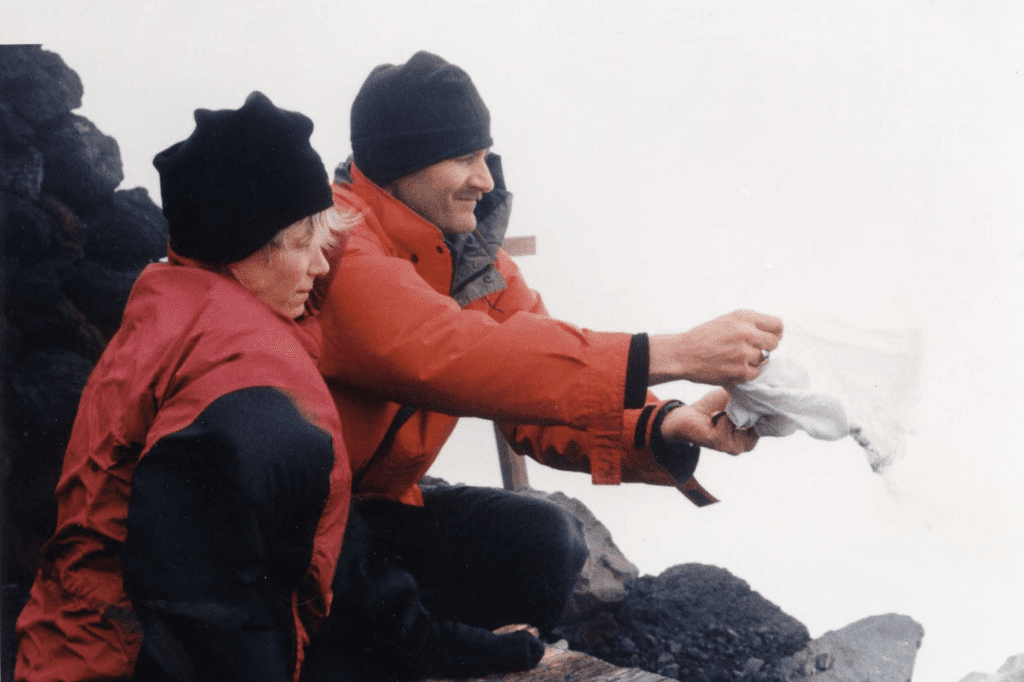
“There was a moment on Mount Fuji when my donor felt profoundly present. The mountain was deeply meaningful to me—not because of its cultural symbolism in Japan, but because of a surprise tribute my husband Craig revealed at the summit: a photo of my donor and a pouch containing her actual ashes. The generosity of her family in entrusting us with her ashes spoke volumes. It affirmed that they were at peace with their decision and supportive of the life it made possible. In that moment, I was finally able to release the sense of separation between the donor and the heart I carried. It no longer felt like a donor heart—it became fully, and unquestionably, my heart.”
September 1997
Mt. Whitney, California, USA
In Kelly’s words:
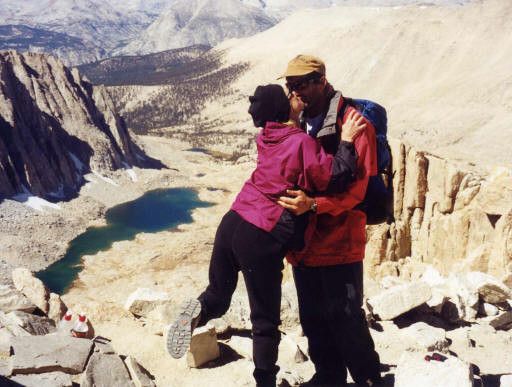
“Climbing Mount Whitney represented an important milestone in my transplant journey. Reaching the summit with my donor heart was a powerful emotional victory, as it allowed for a direct comparison to my experience climbing this same mountain years earlier with my native heart. While the physical sensations were different—my denervated, heart required a slower pace and more time to acclimatize—the challenge itself was familiar. What mattered most was that I succeeded. Standing on the summit, I felt a renewed sense of normalcy. Physically, I was capable. Emotionally, I was encouraged and reassured. Spiritually, I felt grounded and hopeful, confident that this new heart could carry me forward into the life I was rebuilding.”
September 1996
Half Dome, Yosemite
In Kelly’s words:
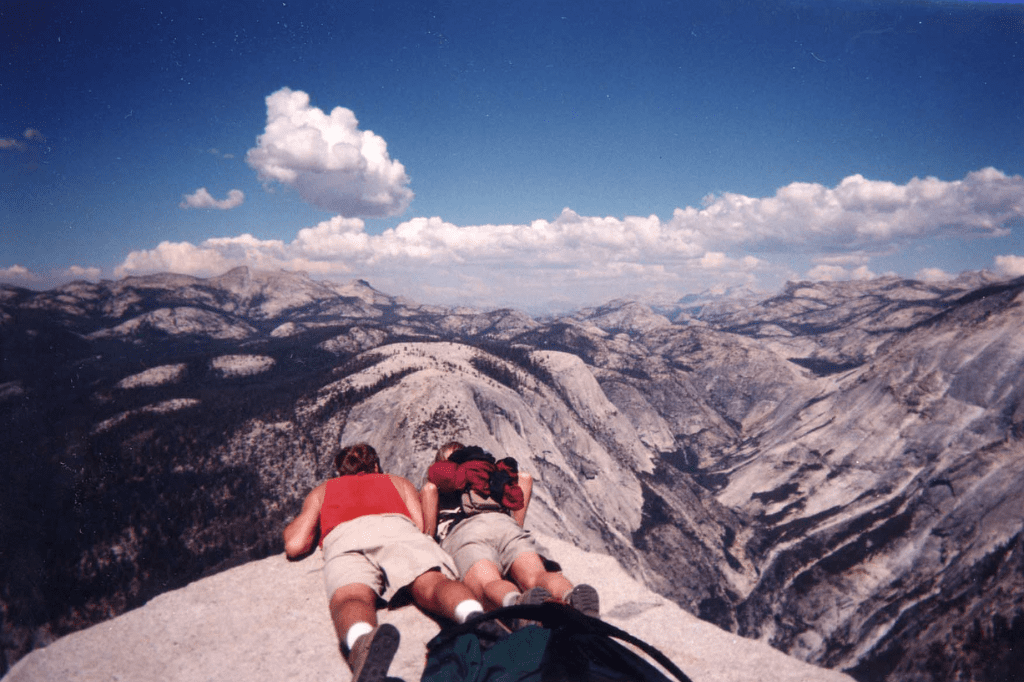
“After my heart transplant in 1995, my new job wasn’t a career — it was rebuilding my body and reclaiming my identity. Regaining strength wasn’t just about health; it was about self-image, dignity, and how the world saw me. At the time, heart transplants were still rare, as I was only the 594th recipient at UCLA, which was one of the largest centers in the country. As such, it was natural for people to see me as fragile — even if I refused to see myself that way.
I chose mountains because they don’t care who you are. They don’t lower the standard. My goal became Half Dome — iconic, brutal, and hard for everyone. A 14.5 mile day hike, nearly 4800+ feet of elevation gain, and 10–12 hours of relentless effort. I didn’t need to prove I was “normal.” I wanted to prove I was capable.
We reached the summit and had a jubilant celebration, but the descent taught me more than the ascent. Dehydration hit hard. It became clear my body had changed in deeper ways than just a new heart. I had to learn my limits, understand my medications, and respect the reality of what transplant recovery truly meant.
That mountain became my classroom. It was a safe place to learn a hard lesson — one that made every successful climb afterward possible. I don’t climb to conquer peaks. I climb to understand my body, honor my second chance, and remind myself that strength isn’t what you had — it’s what you rebuild.”